


Services · New
Range Inspections & On-Site Assessments
Every project starts on site. We look at your range first-hand, then walk you through what we found and what we recommend.
Our process
- Call. Tell us about your range and what's prompting the visit.
- On-site inspection. We come to your facility and assess the range in person.
- Formal walkthrough and presentation. We take you through our findings and the recommended work, so you can make an informed decision.
What we look at
- Backstop type and condition, whether sand, granulated rubber, steel or solid rubber block
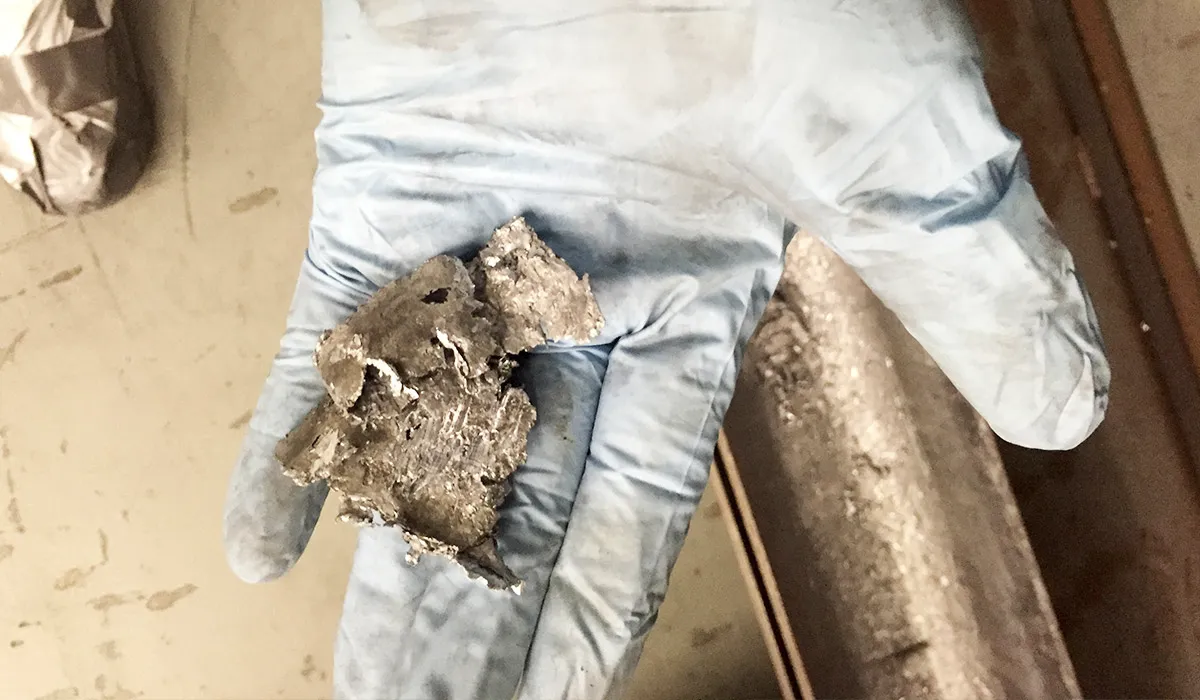
- Lead build-up in the trap and on surfaces around the range
- Wear and damage to steel, rubber, baffles and sidewall panels
- Ventilation and filtration
- Lighting and target systems
- Contaminated waste on site and how it should be handled
When to book an inspection
Book one before planning a new build or a backstop replacement, when a range is changing hands or being decommissioned, or simply when it's been a while since anyone took a close look.
Common questions
What happens during an on-site inspection?
We visit your range and assess the backstop, baffles, sidewalls, ventilation, lighting, target system and the level of lead contamination. We then give you a formal walkthrough of what we found and what we recommend.
Do I need an inspection before getting a quote?
In most cases, yes. Seeing the range first lets us recommend the right work and price it accurately.
Can you inspect a range you didn't build?
Yes. We inspect sand trap, granulated rubber trap, steel trap and solid rubber block ranges, whoever built them.
Not sure where to start?
Call Peter to talk it through. Most projects begin with an on-site inspection so we can see the range before recommending anything.